
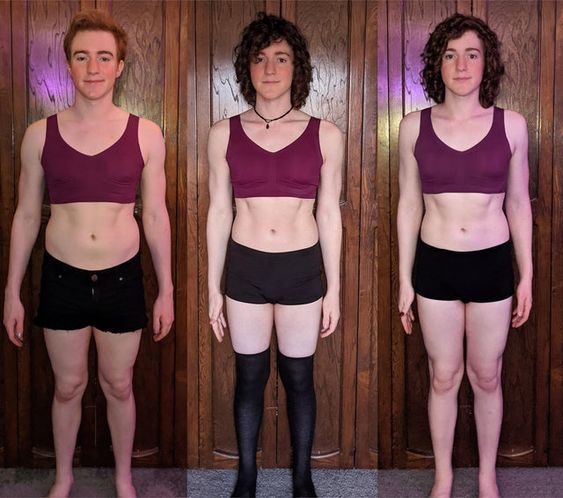
Deciding to align your physical appearance with your true gender identity is a profound and deeply personal milestone. For many transgender and non-binary individuals, a gender reassignment operation serves as a crucial step toward living authentically. However, entering this process can feel overwhelming without clear, honest information. Understanding the available procedures, what to expect during recovery, and the financial investment required helps you plan your journey with confidence.
Types of Gender Affirming Procedures
Gender-affirming surgeries generally fall into three major categories, depending on your individual goals and transition path.
1. Top Surgery (Chest Contouring)
For individuals transitioning from female to male (FTM), top surgery involves removing breast tissue to create a flat, masculine chest outline. For individuals transitioning from male to female (MTF), surgeons use breast augmentation techniques, often placing silicone or saline implants, to build a feminine chest shape.
2. Bottom Surgery (Genital Reconstruction)
- Feminizing Procedures: This path often includes a vaginoplasty, where surgeons create a functional vaginal canal, labia, and clitoris using existing tissues. Another option is a vulvoplasty, which forms the external female genitalia without creating an internal canal.
- Masculinizing Procedures: This path includes metoidioplasty or phalloplasty to construct a penis. Surgeons often perform a scrotoplasty alongside these steps to create a scrotum, which can later hold testicular implants.
3. Facial and Voice Alterations
Facial Feminization Surgery (FFS) alters features like the jawline, brow bone, or Adam’s apple to create a softer appearance. Voice surgeries can also adjust the pitch of your vocal cords to better match your presentation.
What to Expect: The Procedure and Recovery Timeline
Every surgical step of a gender reassignment operation requires careful medical preparation. Your surgical team will evaluate your physical fitness, check your medical history, and guide you on adjusting hormone therapies before your date.
The healing timeline varies heavily by the specific surgery you undergo. Top surgeries usually require a few weeks of restricted movement and light activity. Bottom surgeries are far more complex, requiring careful wound care, dilation schedules for vaginoplasty, and several months of healing before you can resume strenuous physical activities or sexual intimacy.
Understanding Gender Transformation Surgery Cost
Financial planning is a vital part of this process. The overall gender transformation surgery cost varies based on several factors:
- The specific types of procedures you choose.
- Hospital fees, anesthesia, and routine medical tests.
- Post-operative medications and supportive garments.
Because every transition plan is entirely custom-made, getting an accurate price requires a personal evaluation with your surgeon.
Why Choose Dr Soni Plastic Surgery
At Dr Soni Plastic Surgery, your safety, privacy, and personal goals come first. Our experienced medical team provides empathetic, individual care through every stage of your transition. We believe in clear pricing and complete transparency, ensuring you know exactly what to expect regarding your custom treatment plan and your total gender transformation surgery cost. Contact Dr Soni Plastic Surgery today to schedule your consultation and take the next step toward your authentic self.
Frequently Asked Questions
Yes. These procedures alter physical tissues to match your identity. Because the structural changes to your chest or genitalia are irreversible, you must discuss your long-term goals carefully with your team.
Initial healing takes six to eight weeks. However, full internal tissue recovery and nerve sensation development can take up to a year, requiring consistent post-operative care and regular doctor check-ups.
Coverage depends strictly on your insurance provider and specific policy details. Some plans cover specific procedures when documented as medically necessary, while others exclude them completely. Always verify with your insurer first.
Sometimes surgeons combine procedures, like facial surgeries or top surgery. However, combining complex operations depends entirely on your overall health, safety thresholds, and your surgeon's specific medical advice.
Incision placement depends on your chest size and skin elasticity. Surgeons position incisions carefully to minimize visibility, and proper scar care helps them fade significantly into natural skin creases over time.

