
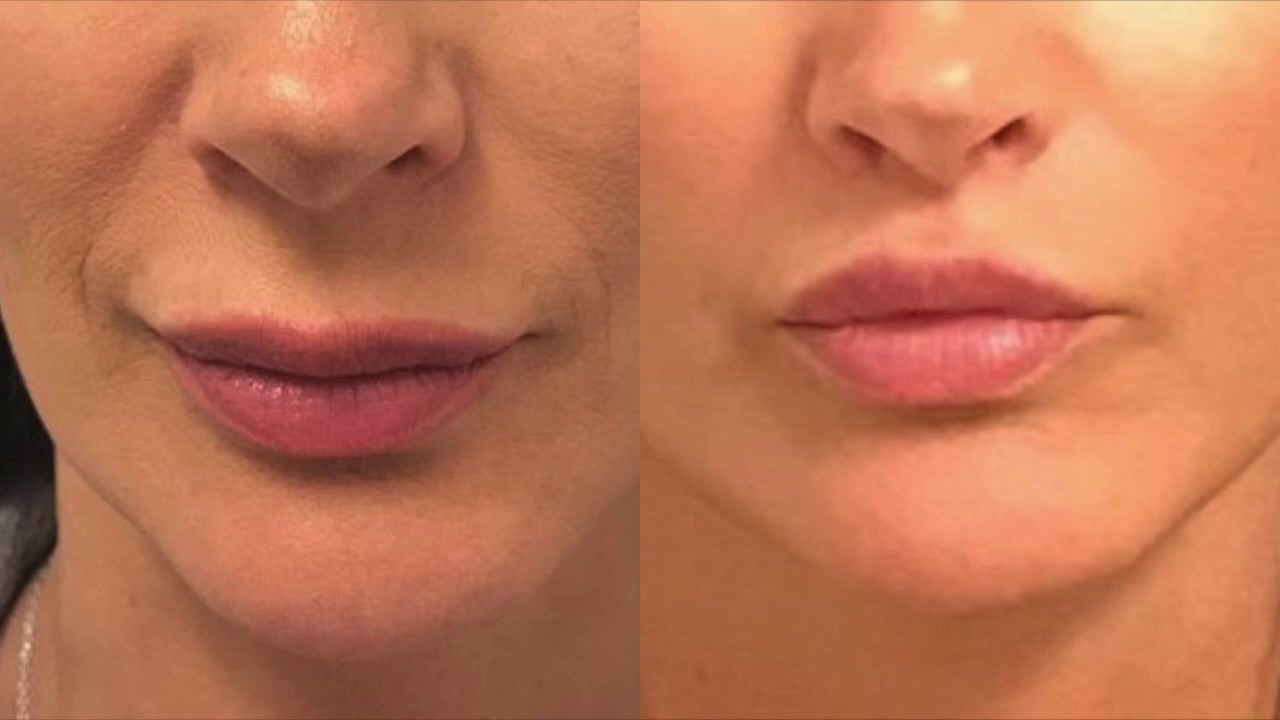
Some people are born with naturally full lips, while others see changes in shape or volume over time, whether from aging, old injuries, scarring, or congenital conditions. For those considering big lips surgery, lip reduction can be a practical way to restore proportion without affecting how your mouth naturally moves.
However, lip reduction is not the right option for everyone. A proper consultation is always the first step to look at your natural lip structure, walk through your health history, and make sure the procedure fits your goals.
Who May Be Suitable for Lip Reduction?
Lip reduction is generally designed for anyone looking to fix specific issues with volume, shape, or balance:
- Uneven Lip Size or Shape: It helps correct noticeable asymmetry where one lip has more volume or a different contour than the other.
- A Pronounced Lower Lip: Trimming excess tissue brings a heavy or projecting lower lip back into proportion with your chin and nose.
- Lip Deformities: It can refine lip contours after past physical trauma or as a follow-up to cleft lip and palate repairs.
- Tissue Concerns: It helps address structural changes caused by benign growths, cysts, dense scars, or papillomas.
What Does the Surgeon Consider?
Deciding if you’re a good fit involves much more than measuring lip size. During your consultation, the surgeon will look at:
- The natural size, symmetry, and elasticity of your lips.
- Any lasting effects from past injuries, surgeries, or conditions.
- Your general health, medical background, and active medications.
- What you personally hope to achieve from the surgery.
The medical team will also take standard baseline photos and run routine pre-op checks to keep the process safe.
When May Lip Reduction Not Be Suitable?
Lip reduction might be delayed or ruled out if you have:
- Active skin infections, cold sores, or inflammation around the mouth.
- Uncontrolled chronic conditions or blood-clotting issues.
- Certain cardiovascular or endocrine health risks.
- Anatomical limits that make tissue removal unsafe.
- An age under 18, since your facial features need to finish growing first.
Once suitability is confirmed, it’s helpful to understand what the procedure involves.
What Can You Expect During Lip Reshaping Surgery?
Lip reshaping surgery is a straightforward procedure designed to refine lip size and shape while keeping the treatment focused and controlled.
- Outpatient Procedure: It’s a same-day procedure, so you can head home right after to rest.
- Hidden Incisions: The cut is made inside your mouth along the inner mucosal lining.
- No External Scarring: Because everything is done internally, there are no visible marks on the outside of your lips.
Once you understand the procedure, the next step is choosing the right team for your consultation.
Explore Lip Reduction with Dr. Soni Plastic Surgery
Taking the next step in your aesthetic journey is easier with a supportive team by your side. At Dr. Soni Plastic Surgery, we offer personalized consultations for lip reduction, along with expert cosmetic surgeries like rhinoplasty, breast procedures, and liposuction and skin and hair treatments, including FUE transplants, fillers, and lasers. Reach out today to book your consultation!
Frequently Asked Questions
Anyone bothered by disproportionately large lips, noticeable volume asymmetry, structural defects from past injuries, or tissue changes from congenital conditions may consider this surgery after a medical check.
It is an outpatient cosmetic procedure that carefully trims excess inner tissue and refines lip contours to create better overall facial harmony without creating visible external scars.
Yes, lip reduction precisely targets uneven sections of tissue on either the top or bottom lip to restore natural symmetry, balance your smile, and complement your facial features.
The procedure is generally recommended for individuals who are 18 years of age or older, ensuring that your overall facial structure has completely finished developing prior to surgery.
No, active mouth infections, bleeding disorders, unmanaged chronic health issues, anatomical limitations, or unrealistic aesthetic goals can rule out candidacy. A thorough medical consultation is always required first.

